Cancer Symptoms and Causes: What Your Body May Be Telling You
 By Sobi Tech
Published February 11, 2026 · 5 min read · 0 comments

Cancer Symptoms and Causes: What Your Body May Be Telling You
Table of Contents
Cancer is a complex group of diseases, but one thing is consistent across almost every type: early awareness can make a life-changing difference. Many cancers develop quietly, and symptoms may appear slowly or look similar to common health issues. That’s why understanding warning signs and knowing what causes cancer is an important step toward early detection and better outcomes.
At Liv Hospital, cancer care focuses not only on advanced treatment but also on helping individuals recognize symptoms early and understand the factors that may increase risk.
For a full clinical breakdown, you can also explore CANCER Symptoms and Causes.
Why Cancer Symptoms Are Often Missed
One of the biggest challenges with cancer is that symptoms can be:
- Mild in the early stages
- Similar to infections, stress, or digestive issues
- Easy to ignore when life is busy
Many people assume symptoms like tiredness, unexplained pain, or a persistent cough are not serious. But when a symptom lasts for weeks or keeps returning, it deserves medical attention.
Common Early Cancer Symptoms People Should Not Ignore
While symptoms vary depending on the type of cancer, certain warning signs are seen more often across different cancers.
1. Unexplained Weight Loss
Sudden weight loss without dieting or lifestyle changes may signal that the body is using energy differently. In some cancers, tumors change metabolism and appetite, leading to noticeable weight changes.
2. Persistent Fatigue
Cancer-related fatigue is not like normal tiredness. It often feels deeper and doesn’t improve with rest. This may happen due to inflammation, immune activity, or internal blood loss.
3. Fever That Comes and Goes
A recurring low-grade fever, especially with night sweats, can be linked to immune system changes. This symptom is sometimes associated with blood-related cancers such as lymphoma or leukemia.
4. Pain That Doesn’t Improve
Pain is not always an early symptom, but certain types like headaches that worsen over time or deep bone pain may require investigation, especially if no clear cause exists.
5. Skin Changes
The skin can show early signals of internal illness. Warning signs include:
- New dark spots or moles changing shape
- Yellowing of the skin or eyes
- Persistent itching without allergy or rash
Symptoms That May Be Linked to Specific Cancer Types
Different cancers affect different organs, so the symptoms often depend on location.
Breast Cancer
Possible warning signs include:
- A lump in the breast or underarm
- Skin dimpling or texture changes
- Nipple discharge or inversion
Lung Cancer
Signs may include:
- A cough lasting more than 3 weeks
- Coughing up blood
- Shortness of breath
- Hoarseness
Colorectal Cancer
Common symptoms include:
- Changes in bowel habits
- Blood in stool
- Abdominal discomfort or cramping
- A feeling that the bowel doesn’t fully empty
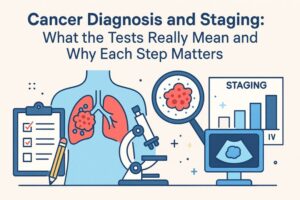
Read This Content: Cancer Diagnosis and Staging: What the Tests Really Mean and Why Each Step Matters
Prostate Cancer
Symptoms may involve:
- Weak urine flow
- Difficulty starting urination
- Frequent urination at night
- Blood in urine or semen
What Causes Cancer? Understanding the Real Reason
Cancer begins when cells grow uncontrollably due to damage in their DNA. Normally, the body repairs DNA damage or destroys abnormal cells. But when mutations build up, cancer can form.
There are two major categories of cancer-related mutations:
1. Acquired Causes (Most Common)
Most cancers develop from mutations that happen during a person’s lifetime. These changes build up slowly due to environmental exposures or lifestyle habits.
Tobacco Use
Smoking is one of the strongest risk factors for cancer. It increases the risk of cancers such as:
- Lung
- Throat
- Bladder
- Pancreas
Alcohol Consumption
Alcohol breaks down into acetaldehyde, a chemical that can damage DNA. It is linked to:
- Liver cancer
- Breast cancer
- Esophageal cancer
Poor Diet and Obesity
Excess body fat can increase hormones and inflammation, which may contribute to cancer development. Obesity is linked to:
- Colon cancer
- Breast cancer
- Uterine cancer
Chronic Infections
Some viruses and bacteria can increase cancer risk:
- HPV → cervical cancer
- Hepatitis B/C → liver cancer
- H. pylori → stomach cancer
UV Exposure
Sun exposure is a major cause of skin cancers, including melanoma.
2. Inherited Genetic Causes (Less Common)
A smaller percentage of cancers occur due to inherited mutations passed through families.
Examples include:
- BRCA1/BRCA2 mutations (breast, ovarian, prostate cancers)
- Lynch Syndrome (colorectal and uterine cancers)
People with a strong family history may benefit from genetic counseling and early screening.
The Difference Between Risk Factors and Direct Causes
This is important:
- A risk factor increases the chance of cancer
- A cause directly triggers cancer
Not everyone with a risk factor develops cancer, and some people with no known risk factors still develop cancer. This is why screening and medical awareness remain essential.
When to See a Doctor for Possible Cancer Symptoms
You should consider a medical evaluation if you notice:
- A symptom lasting more than 2–3 weeks
- A symptom that keeps returning
- A lump, swelling, or unexplained bleeding
- Sudden changes in bowel habits or urination
- Severe fatigue with no explanation
Even if the cause is not cancer, it is always better to rule out serious conditions early.
How Screening Helps Detect Cancer Before Symptoms Start
Many cancers are treatable when found early through screening tests such as:
- Mammograms
- Colonoscopy
- Pap smear / HPV tests
- PSA blood tests
- Low-dose CT scans (for long-term smokers)
Screening doesn’t just detect cancer early it can sometimes prevent cancer by identifying precancerous changes.
A Final Note on Prevention and Daily Wellness
While not every cancer is preventable, many lifestyle-related risk factors can be reduced with long-term healthy habits. Along with medical screening, improving daily routines nutrition, sleep, stress control, and movement can support overall health.
If you’d like wellness guidance that complements medical awareness, you can explore helpful lifestyle resources at live and feel.